












Slay the Spire: The Board Game Review - Worth It If You Own the Video Game?
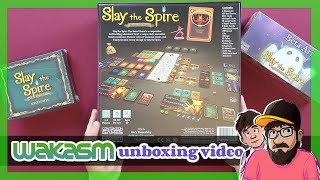
A Slay The Spire The Board Game review by wakasm
I was honestly on the fence about buying Slay the Spire: The Board Game.
I had already played the video game quite a bit. I peaked around Ascension 15 with The Silent, and one of my personal gaming goals (some day…) is to hit Ascension 20 with all the characters. Because of that, I assumed the board game would just feel like more of the same but more expensive. It’s a sentiment I see a lot online as well.
Then right before the Kickstarter ended I tried the demo on Tabletop Simulator… and suprise suprise… I was immediately hooked.
That single play completely flipped my opinion. Once I actually had the cards in my hands and started shuffling them around the table it just worked in a way I didn’t expect. Shuffling the cards to one of my favorite games, physically, just feels so good and it’s not something that I would have expected to be honest.
Somehow, this might actually be the best video game to board game adaptation I have ever played (I haven’t played that many… maybe I should make a list of them?)
What is Slay the Spire: The Board Game?
- Cooperative roguelike deckbuilding board game based on the video game
- Choose a character and climb the Spire through branching maps and encounters
- Build your deck by gaining cards, relics, potions, and upgrades along the way
- Fight elites and bosses while managing energy, block, and damage
- Supports solo, true solo, and multiplayer cooperative play
Slay the Spire: The Board Game is a cooperative roguelike deckbuilding game where players climb a branching map of encounters while building their decks and relic engines along the way. Each turn you draw cards, spend energy to play attacks or defensive abilities, and react to what enemies are telegraphing they will do next. Over the course of a run you will gain new cards, relics, potions, and upgrades that slowly transform your starting deck into something much stronger.
The structure closely mirrors the video game. You move along a branching map that contains fights, elite encounters, campfires, shops, treasure, and random events. Each decision about where to go matters because elites are harder but reward powerful relics. Campfires allow you to heal or upgrade cards. Shops let you buy relics or remove cards from your deck. Over time your deck evolves as you attempt to survive the run and defeat the boss at the end of each act.
If you have played the video game you will recognize almost everything immediately. The impressive part is how well the designers translated those systems into something that works smoothly in a physical format and also somehow squished the numbers to be more meaningful. It even somehow has some infinite combos still in the game as well!
What I Like About Slay the Spire
One of the Best Video Game Adaptations I Have Played
I already mentioned most of this in the beginning, but I will say it again, it’s one of the better video game adaptions to board game I have played, maybe even the best one.
The Core Design Is Just That Good
One thing I say to people who ask about Slay The Spire: The Board Game on Reddit all the time is… (and this is my opinion)… that if Slay the Spire had released as a board game first, it probably would be in the Top 10 on BoardGameGeek design.
I think a lot of board gamers skip it because they already played the video game and assume they do not need the board game version. But the reality is the core design of Slay the Spire is just incredibly strong in what it does.
It’s definitely a contender to one of my favorite game designs, period.
The video game basically changed roguelike deckbuilders. It inspired a ton of copycats and other games using the same formula. Some of those games are great, but Slay the Spire still feels like the blueprint.
The characters are also fantastic. Each one has a very distinct identity and card pool. Even though the core gameplay loop stays the same, the way each character plays makes the experience feel very different depending on who you choose.
Excellent Solo and Cooperative Play
The game works extremely well solo.
You can play true solo as a single character and it feels completely fine, which is something that not every cooperative board game pulls off successfully. But the game also allows two handed solo play, which opens up interesting synergies between characters.
The cooperative mode also adds something unique compared to the video game. Players can occasionally gain cards or powers from other classes, which leads to some really wild combinations that you normally could not build in the digital version without mods.
It gives the board game its own identity rather than just being a direct copy.
Smooth Gameplay Flow
Even though this is a large box game, the setup and teardown are not nearly as bad as I expected. It’s not perfect, but it’s faster than I thought it would be.
Once the game starts, the flow of turns is very smooth. Draw cards, spend energy, generate block, deal damage, and react to enemy intentions. The core gameplay loop is easy to follow but has a lot of depth.
Runs can be long if you play all the way through the final boss, but the game naturally breaks into acts so you can pause between them if needed. That makes longer sessions much easier to manage.
Long games generally do not bother me much anyway, but it is nice that the structure supports stopping and continuing later.
Excellent Production and Replayability
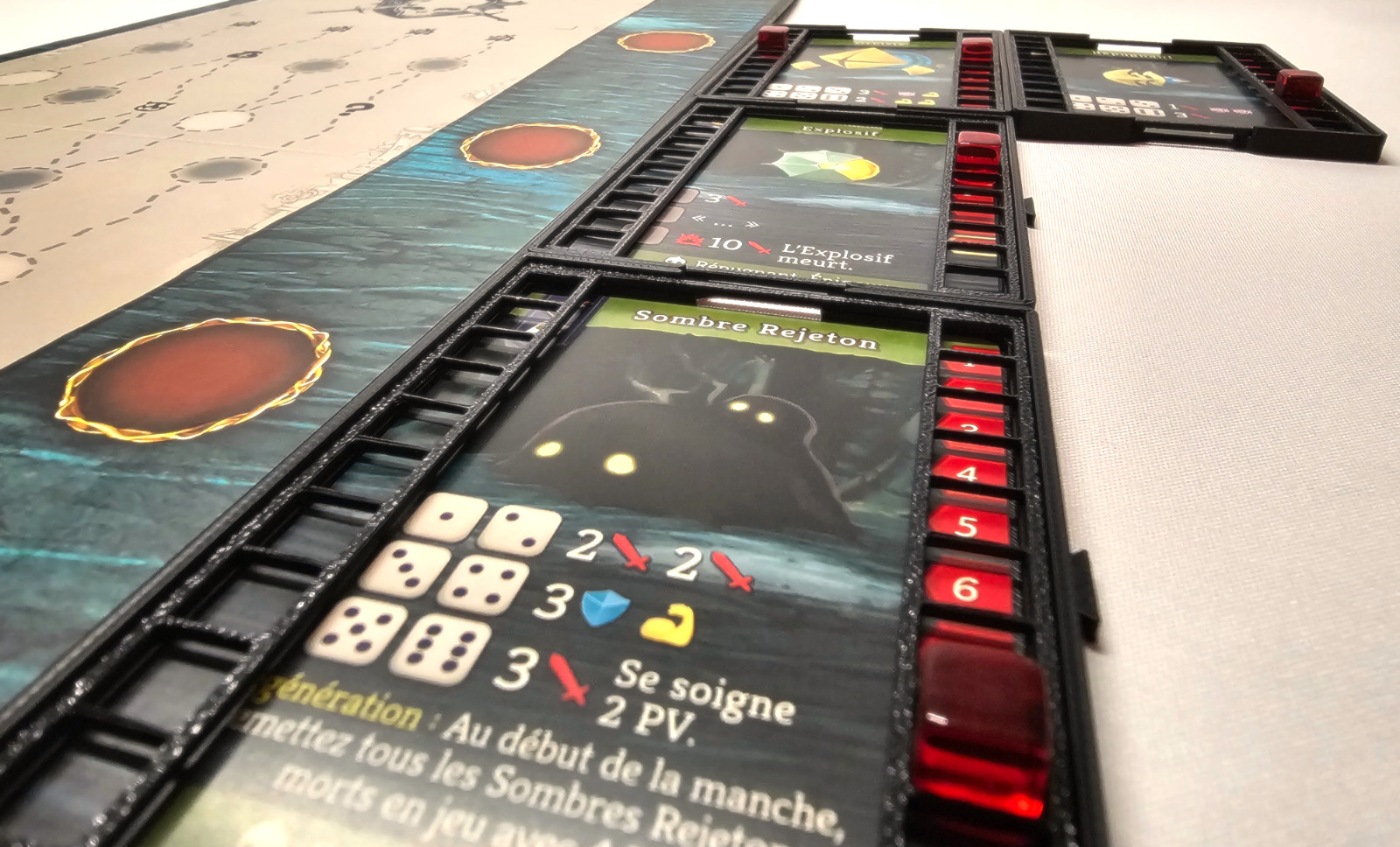
The component quality is very strong.
There are something like five or six hundred cards in the box (I’m sure there is a specific number here, but at the time of writing, I don’t have it at hand), along with sleeves, dividers, and a very solid insert that keeps everything organized. Considering the sheer number of cards involved, the storage solution works surprisingly well.
I often have a saying that I think the core idea of Replayability is overrated… it’s great when its’ there but there are a ton of games that if I get X plays from, I’m happy. But when it is there… it’s just icing on the cake. So here, replayability is also extremely high, so if that’s something you care about, I think this checks that box. Like most roguelikes, the game relies heavily on randomization. No two runs are ever the exact same. You will see familiar relics and cards over time, events, and even layouts… but the combinations you encounter and the order they appear in changes the entire feel of each run.
The relic system using dice is also a clever adaptation from the video game. It simplifies some mechanics while still preserving the spirit of the original design.
Scaling Difficulty and Achievements
I always appreciate games that include scaling difficulty systems.
Slay the Spire includes an Ascension style difficulty progression along with achievements, which gives the game a lot of long term replay value. Climbing those difficulty levels is something I definitely plan on working toward.
What I Do Not Like About Slay the Spire
The Unlock System Feels Pointless
One of the biggest misses for me is the unlock system.
Normally I love unlocking content in games. It gives you a sense of progression and discovery. But here it mostly felt like something I needed to grind through before the real game could begin. For me, the ascension system is the real “unlock” system.
The unlocks themselves are not very exciting, and nothing you unlock feels like a huge moment. It feels more like the game slowly giving you pieces that probably should have been available from the start.
Thankfully the unlock phase does not last that long. After maybe ten games you will probably have everything unlocked. But during those early plays it mostly felt like a barrier rather than something that enhanced the experience.
Some Builds Are Worse Because Of Physical Limitations
One unavoidable downside of turning a digital game into a physical one is that you cannot generate infinite cards.
In the video game you can sometimes build ridiculous decks with tons of copies of the same card. Those broken builds are part of the fun of the roguelike experience.
The board game cannot really do that because it only includes a limited number of cards. Once certain cards are gone, they are gone.
That means some builds simply do not work the same way they do in the video game, and some strategies feel more restricted. It is understandable why this had to happen, but it does make the board game feel slightly less wild than the digital version.
The Price Is Hard To Ignore
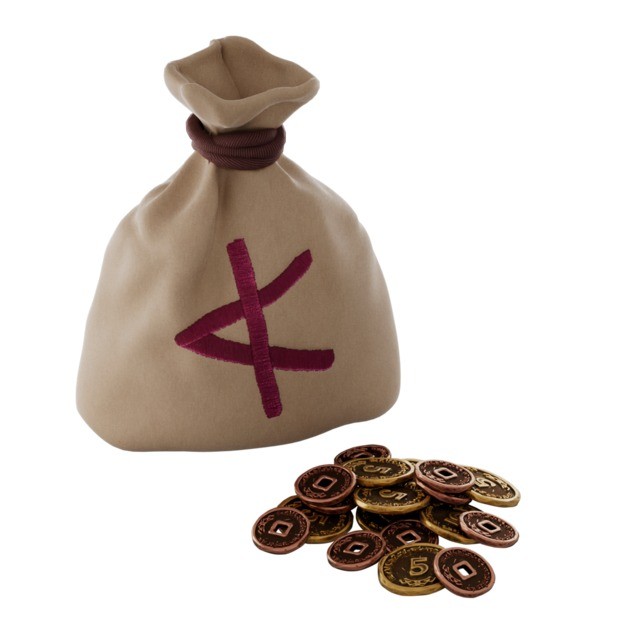
The game is expensive. There is really no way around that.
I paid around $120 during the Kickstarter, which is a lot of money for a board game.
The comparison becomes even harsher when you remember how cheap the video game is. I think I got my copy through Humble Bundle for basically nothing, and it ended up becoming one of my favorite video games of all time.
So asking someone to spend over a hundred dollars to play a version of a game they might already own digitally is going to be a tough sell for some people.
Even though I personally think the board game is worth it, the price absolutely limits who should consider buying it.
Final Thoughts About Slay the Spire
My general strategy in the game is almost always to hunt elites as much as possible in order to farm relics. That seems to be the general strategy a lot of experienced players follow.
The overall gameplay loop is just fantastic. Move across the map, fight enemies, collect relics, upgrade cards at campfires, and slowly assemble a deck that hopefully becomes powerful enough to survive the final boss.
The designers also made some smart adaptations. For example, the way rare powers are handled uses a special card that grants a random power rather than relying on a complicated system. It keeps the gameplay streamlined while preserving the feel of the video game.
There is also an expansion coming at some point, which I am definitely looking forward to.
At the end of the day, Slay the Spire was already one of my favorite game designs ever, and this board game version manages to capture almost everything that makes the original great while still feeling like its own experience.
That is not an easy thing to pull off.
So should you buy Slay The Spire The Board Game?
If you’ve never touched the video game… buy this. If you loved the video game… also buy this, but know you are paying for the ability to physically play a game you already love with a small amount of changes that will give it a unique feel without being too different. However, If budget is a real issue, this game is expensive, then it’s probably better to stick with the video game but I say that with one caveat: Just understand that if this was a board game alone, without the video game’s shadow hanging over it, it probably would be viewed as an all time classic. (At the time of writing this review it’s already on the top 30 of boardgamegeek!)
















Disagree With Me Here
Discussion and disagreement are welcome here — that's what makes talking about games fun. Just keep it kind. Attacks on people, not ideas, will be removed.